• Start
  • About Us
  • Team
  • Services
    • Temporary Storage
    • Contractural Storage
    • Loading and Unloading Maneuvers
    • Cross Docking
    • Product Conditioning
    • Picking & Packing
    • Last Mile Distribution
    • Consolidated Trips
    • Delicate Product Delivery
    • Reverse Logistics
    • Evidence Management
  • Blog
  • Contact
  • About Us
  • Team
  • Services
    • Product Conditioning
    • Temporary Storage
    • Cross Docking
    • Last Mile Distribution
    • Delicate Product Delivery
    • Reverse Logistics
    • Evidence Management
    • Loading and Unloading Maneuvers
    • Picking & Packing
    • Consolidated Trips
Logística, Almacenamiento y Distribución en el Sureste de México | TZ Logística
  • Blog
  • Contact
  • en_US
  • es_MX
Eduardo A Kan2023-12-21T12:54:34-06:00

Logistics and distribution are two concepts that are often used interchangeably, which can lead to the misperception that they are synonyms. However, it is essential to understand that there is a crucial difference between these two elements.

Logistics is a strategic process that encompasses a series of activities related to the planning, organization, control and execution of the efficient flow of materials, information and resources from the point of origin to the point of consumption. On the other hand, distribution constitutes an essential part of logistics, but is not limited to this area.

supply chain: Key components of logistics.

  1. Supplier Selection.

 It involves choosing suppliers capable of supplying competitive, high-quality products or services, at competitive prices and with satisfactory service.


  1. Contract Negotiation.

 It includes the negotiation of contractual agreements that establish the terms and conditions of acquisition, ensuring beneficial relationships for both parties.


  1. Inventory management.

It includes the monitoring and administration of inventory levels of raw materials and components, guaranteeing availability at critical times.


  1. Transport.

It refers to the organization and management of the transportation of raw materials and components from suppliers to the company.


  1. Storage.

It involves the safe and efficient disposal of raw materials and components in storage facilities.


  1. Distribution.

It deals with the planning and execution of the distribution of finished products from the company to customers.


  1. Customer service.

Ensures that the company provides effective customer service to address customer queries, needs and complaints, strengthening customer satisfaction.

You may be interested in reading: “Smart Logistics”

On the other hand, distribution is limited to the movement of people or goods from a point of departure to a point of destination, and can be carried out through various modalities, such as land, sea, air or rail transport. The main modes of land transportation include trucks, trains and buses.

To delve deeper into the distinction between logistics and distribution, it is essential to recognize some significant differences:

  • Strategic approach: Logistics is a more strategic process that encompasses a holistic view of the flow of materials, information and resources, while transportation focuses exclusively on the physical movement of goods.
  • Complexity: Logistics involves the coordination of a wide range of activities and processes, making it more complex than transportation, which focuses on a more specific and direct activity.
  • Importance: Logistics, by virtue of its scope and its ability to influence the efficiency and effectiveness of business operations, is more crucial than transportation in the context of companies that depend on the distribution of products or services.

While logistics and distribution are intrinsically related, logistics transcends the mere physical movement of goods. Logistics covers a series of strategic activities that are related to the comprehensive management of the flow of materials, information and resources in the supply chain. 

By understanding and appreciating this distinction, companies can make more informed and effective decisions in their logistics strategy, which in turn can result in a significant improvement in the efficiency and effectiveness of their overall logistics operations. Ultimately, this understanding contributes to business success and achieving customer satisfaction.
Leave a Reply Cancel reply

Your email address will not be published. Required fields are marked *


Related Posts

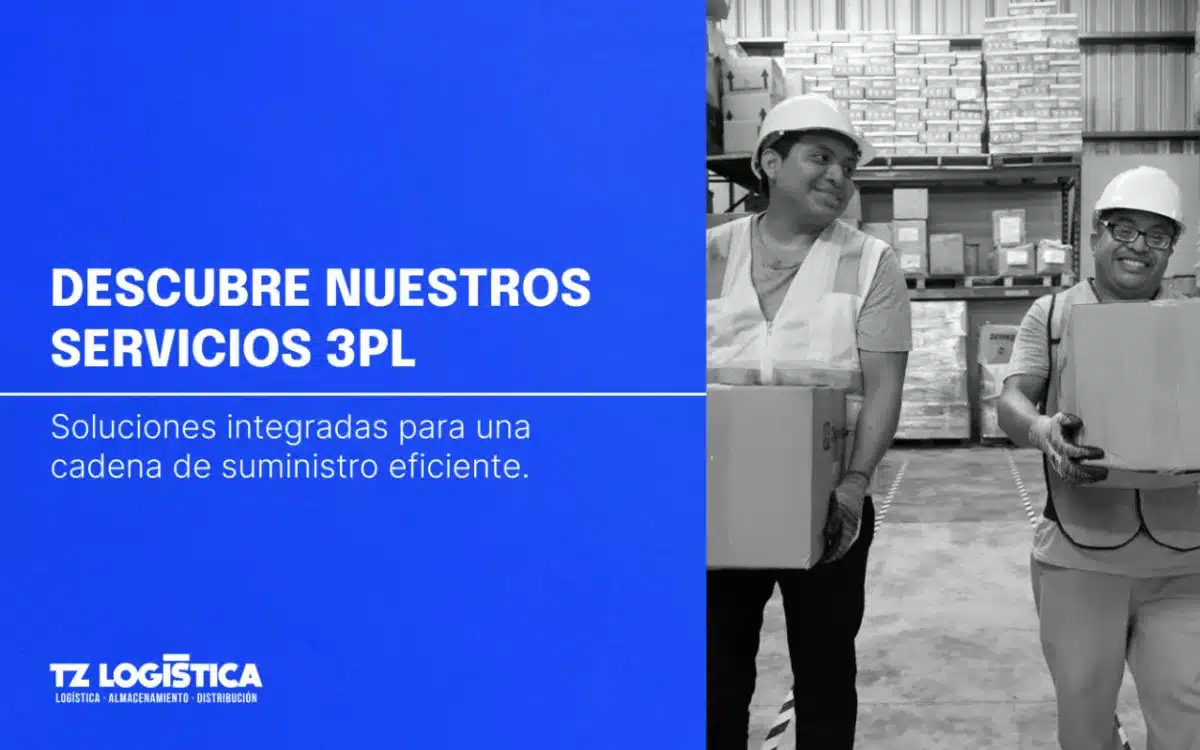
Imagen de servicios 3PL - Soluciones integrales para optimizar la cadena de suministro

Discover TZ Logistics' 3PL services: Integrated solutions for an efficient supply chain.

In today's business world, the outsourcing of logistics services has become essential to optimize operations and improve... read more

Reverse Logistics: Managing Returns Effectively

In business logistics, returns and reinforcements are an inevitable reality. However, far from being a problem,... read more
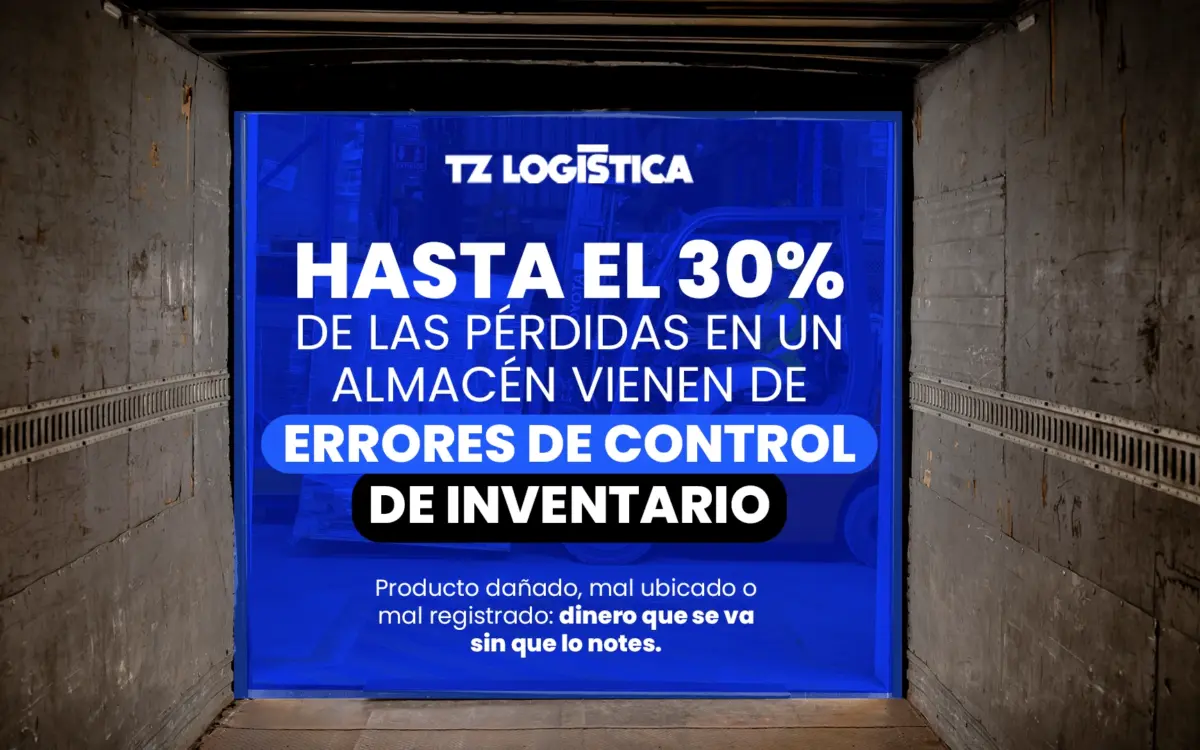
Interior de un camión de carga con la puerta abierta hacia un almacén. Sobre la imagen, el texto: hasta el 30% de las pérdidas en un almacén vienen de errores de control de inventario.

The 30% losses in your warehouse are not theft: they are inventory control errors

Up to 30%, losses in a warehouse do not come from theft, but from inventory control errors:... read more

The advantages of having a logistics center in the Southeast: what your company needs today

The location of your logistics center can make the difference between a smooth operation and a snarled supply chain... read more
Imagen Título Transporte Logística TZ Logística

How to select a suitable carrier for your company

Choosing the right carrier is a strategic decision of utmost relevance for any company that depends on transportation as... read more

Mexico's Interoceanic Corridor: A New Horizon for 3PL Logistics

Mexico is taking giant steps toward enabling trade between the United States and Guatemala through the implementation of the Mexico-Guatemala Corridor... read more

3PL Logistics for the Food Sector: Customized Solutions for your Supply Chain

The food industry is characterized by handling perishable and highly sensitive products that require extreme care throughout the... read more
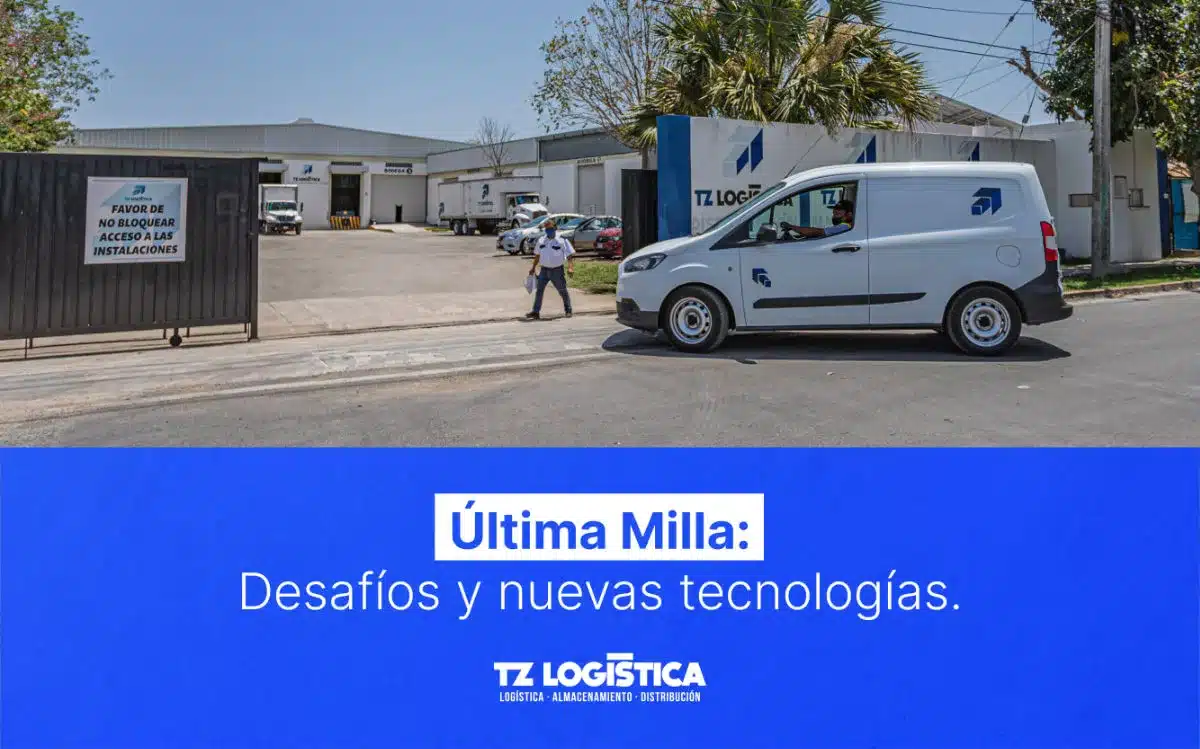
El futuro de la última milla

Developments in the Last Mile: Transformative innovations in delivery and distribution.

Innovations in the last mile

The last mile, the last stretch of the logistics process that connects the distribution center with... read more
una persona distribuyendo producto en un almacén

Returns in E-Commerce: Key Reverse Logistics Strategies

In the dynamic landscape of e-commerce, the reverse logistics has emerged as an essential component to efficiently manage... read more
Portada de blog Futuro del Transporte Logístico, logística

The future of transportation: Autonomous vehicles and their transformation in logistics.

The future of transportation: Autonomous vehicles and their transformation in logistics.

Introduction.

In the last decade, autonomous vehicles are transforming... read more

Recent logins

Pasillo de supermercado desenfocado con anaqueles llenos de productos; al centro, el logo de TZ Logística y el texto «Tu cliente no espera. Se cambia.»
Your customer doesn't wait. They switch.
Interior de un camión de carga con la puerta abierta hacia un almacén. Sobre la imagen, el texto: hasta el 30% de las pérdidas en un almacén vienen de errores de control de inventario.
The 30% losses in your warehouse are not theft: they are inventory control errors
POP material in southeastern Mexico: the logistics that nobody sees (but everyone notices when it fails)
Immediate capability does not mean improvising
In times of crisis, your operation cannot operate on improvisation.
More than 50 years operating on the peninsula: the experience that turns logistics into a competitive advantage
OXXO and TZ Logistics: the logistics behind a precise operation
DIKEN Y TZ LOGISTICA – Chemical Handling Training
  • Start
  • About Us
  • Team
  • Blog
  • Contact

Request information