• Start
  • About Us
  • Team
  • Services
    • Temporary Storage
    • Contractural Storage
    • Loading and Unloading Maneuvers
    • Cross Docking
    • Product Conditioning
    • Picking & Packing
    • Last Mile Distribution
    • Consolidated Trips
    • Delicate Product Delivery
    • Reverse Logistics
    • Evidence Management
  • Blog
  • Contact
  • About Us
  • Team
  • Services
    • Product Conditioning
    • Temporary Storage
    • Cross Docking
    • Last Mile Distribution
    • Delicate Product Delivery
    • Reverse Logistics
    • Evidence Management
    • Loading and Unloading Maneuvers
    • Picking & Packing
    • Consolidated Trips
Logística, Almacenamiento y Distribución en el Sureste de México | TZ Logística
  • Blog
  • Contact
  • en_US
  • es_MX
Eduardo A Kan2023-12-21T12:54:34-06:00

Logistics and distribution are two concepts that are often used interchangeably, which can lead to the misperception that they are synonyms. However, it is essential to understand that there is a crucial difference between these two elements.

Logistics is a strategic process that encompasses a series of activities related to the planning, organization, control and execution of the efficient flow of materials, information and resources from the point of origin to the point of consumption. On the other hand, distribution constitutes an essential part of logistics, but is not limited to this area.

supply chain: Key components of logistics.

  1. Supplier Selection.

 It involves choosing suppliers capable of supplying competitive, high-quality products or services, at competitive prices and with satisfactory service.


  1. Contract Negotiation.

 It includes the negotiation of contractual agreements that establish the terms and conditions of acquisition, ensuring beneficial relationships for both parties.


  1. Inventory management.

It includes the monitoring and administration of inventory levels of raw materials and components, guaranteeing availability at critical times.


  1. Transport.

It refers to the organization and management of the transportation of raw materials and components from suppliers to the company.


  1. Storage.

It involves the safe and efficient disposal of raw materials and components in storage facilities.


  1. Distribution.

It deals with the planning and execution of the distribution of finished products from the company to customers.


  1. Customer service.

Ensures that the company provides effective customer service to address customer queries, needs and complaints, strengthening customer satisfaction.

You may be interested in reading: “Smart Logistics”

On the other hand, distribution is limited to the movement of people or goods from a point of departure to a point of destination, and can be carried out through various modalities, such as land, sea, air or rail transport. The main modes of land transportation include trucks, trains and buses.

To delve deeper into the distinction between logistics and distribution, it is essential to recognize some significant differences:

  • Strategic approach: Logistics is a more strategic process that encompasses a holistic view of the flow of materials, information and resources, while transportation focuses exclusively on the physical movement of goods.
  • Complexity: Logistics involves the coordination of a wide range of activities and processes, making it more complex than transportation, which focuses on a more specific and direct activity.
  • Importance: Logistics, by virtue of its scope and its ability to influence the efficiency and effectiveness of business operations, is more crucial than transportation in the context of companies that depend on the distribution of products or services.

While logistics and distribution are intrinsically related, logistics transcends the mere physical movement of goods. Logistics covers a series of strategic activities that are related to the comprehensive management of the flow of materials, information and resources in the supply chain. 

By understanding and appreciating this distinction, companies can make more informed and effective decisions in their logistics strategy, which in turn can result in a significant improvement in the efficiency and effectiveness of their overall logistics operations. Ultimately, this understanding contributes to business success and achieving customer satisfaction.
Leave a Reply Cancel reply

Your email address will not be published. Required fields are marked *


Related Posts

Volatility in energy costs and its impact on logistics

Introduction: Energy costs are a critical factor in logistics. In Mexico, fluctuating fuel prices and energy consumption are a major factor in the logistics industry. read more

3 Success Stories: How 3PL Logistics transformed the operations of these companies.

Outsourced logistics has become a fundamental tool for companies of all sizes to optimize their... read more
Técnicas para la gestión de la cadena de suministro

Techniques for supply chain management

Techniques for supply chain management.

Supply chain management is a process... read more
Imagen de portada referencia de una app de blockchain

Revolutionizing logistics: The impact of blockchain technology

Revolutionizing logistics: The impact of blockchain technology.

In the digital age, logistics and transportation are constantly seeking innovations... read more
Imagen que muestra un almacén sin personas

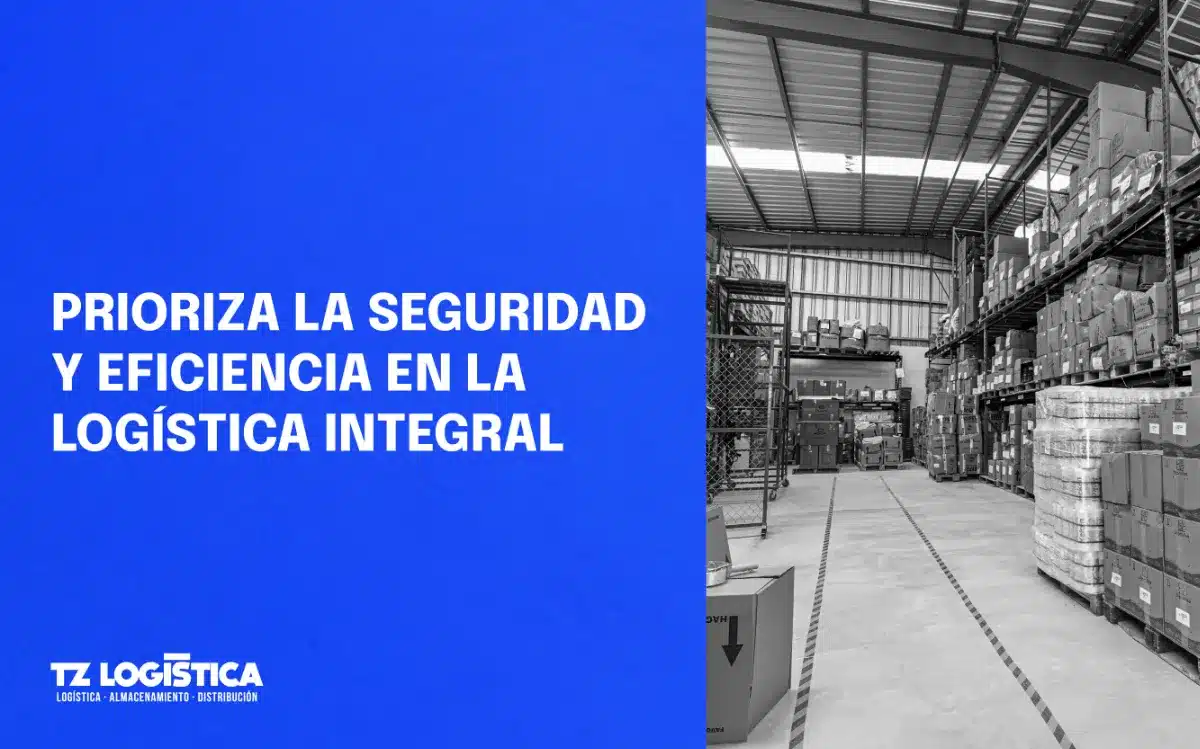
Prioritize Safety and Efficiency in Comprehensive Logistics

In the area of Logistics and Transportation, loading and unloading maneuvers are not just routine actions;... read more
Imagen de servicios 3PL - Soluciones integrales para optimizar la cadena de suministro

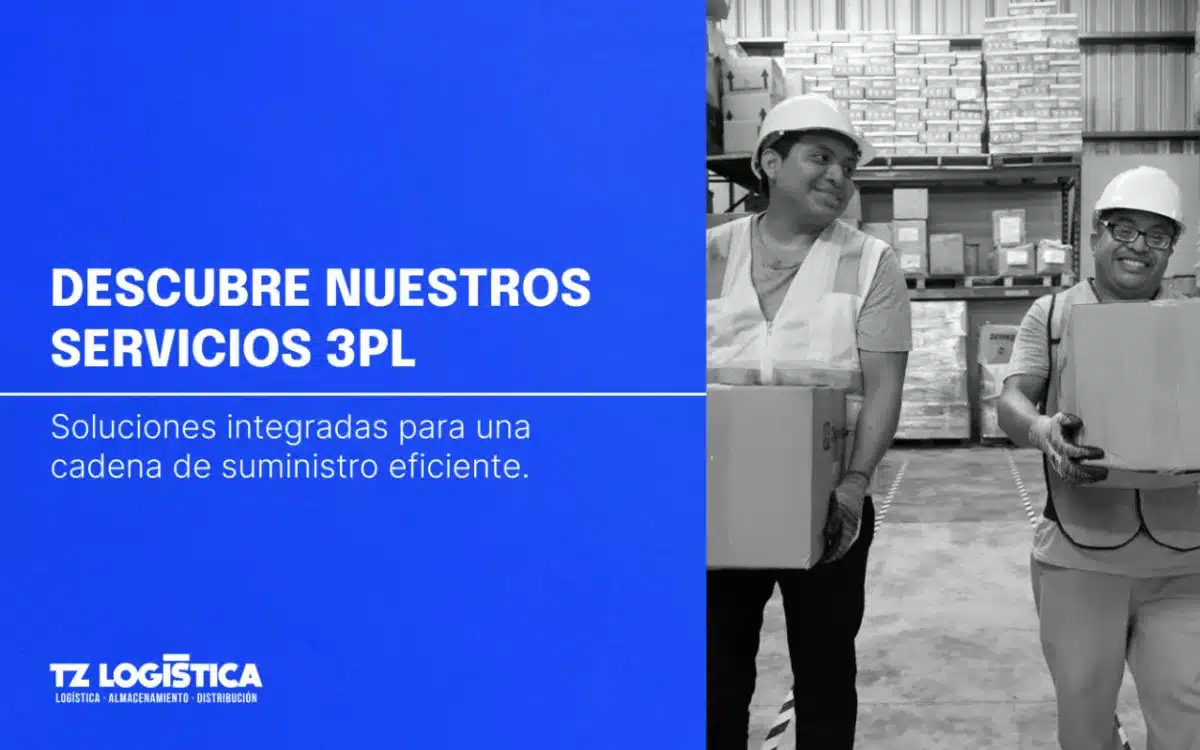
Discover TZ Logistics' 3PL services: Integrated solutions for an efficient supply chain.

In today's business world, the outsourcing of logistics services has become essential to optimize operations and improve... read more
Logística Inteligente, revolución tecnológica que transforma tu negocio

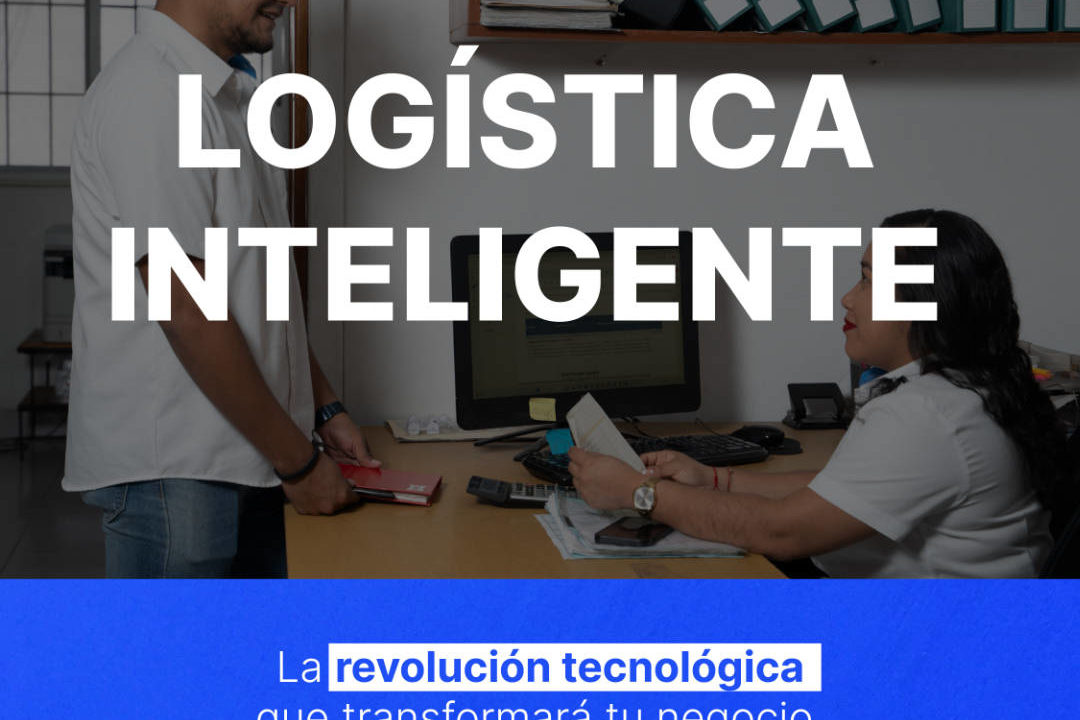
Smart logistics: how technology can transform your business

Supply chain management is a fundamental component in the operation of any company. The efficiency in... read more

3PL Logistics for the Food Sector: Customized Solutions for your Supply Chain

The food industry is characterized by handling perishable and highly sensitive products that require extreme care throughout the... read more

Data analytics: the key to smarter logistics

In the digital age, data has become a fundamental resource for business success, especially in the... read more

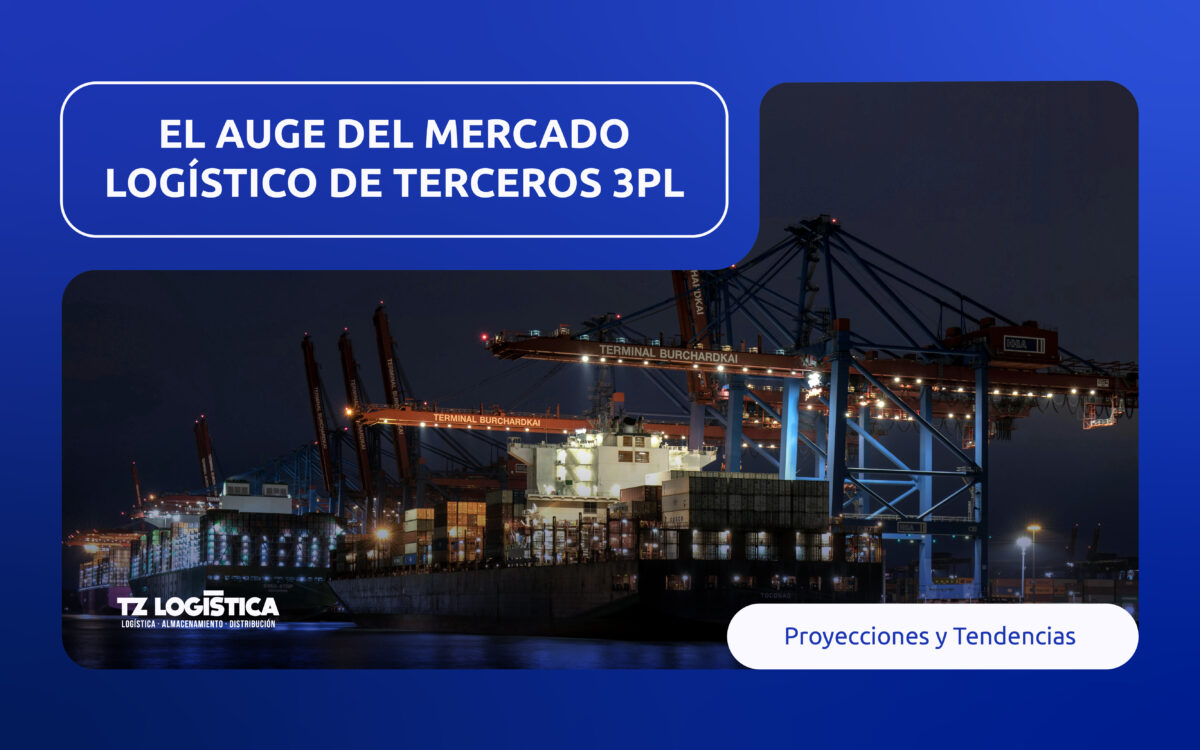
The Rise of the 3PL Third Party Logistics Market: Projections and Trends

The global third-party logistics (3PL) market is in a phase of robust growth, with projections indicating... read more

Recent logins

Pasillo de supermercado desenfocado con anaqueles llenos de productos; al centro, el logo de TZ Logística y el texto «Tu cliente no espera. Se cambia.»
Your customer doesn't wait. They switch.
Interior de un camión de carga con la puerta abierta hacia un almacén. Sobre la imagen, el texto: hasta el 30% de las pérdidas en un almacén vienen de errores de control de inventario.
The 30% losses in your warehouse are not theft: they are inventory control errors
POP material in southeastern Mexico: the logistics that nobody sees (but everyone notices when it fails)
Immediate capability does not mean improvising
In times of crisis, your operation cannot operate on improvisation.
More than 50 years operating on the peninsula: the experience that turns logistics into a competitive advantage
OXXO and TZ Logistics: the logistics behind a precise operation
DIKEN Y TZ LOGISTICA – Chemical Handling Training
  • Start
  • About Us
  • Team
  • Blog
  • Contact

Request information