


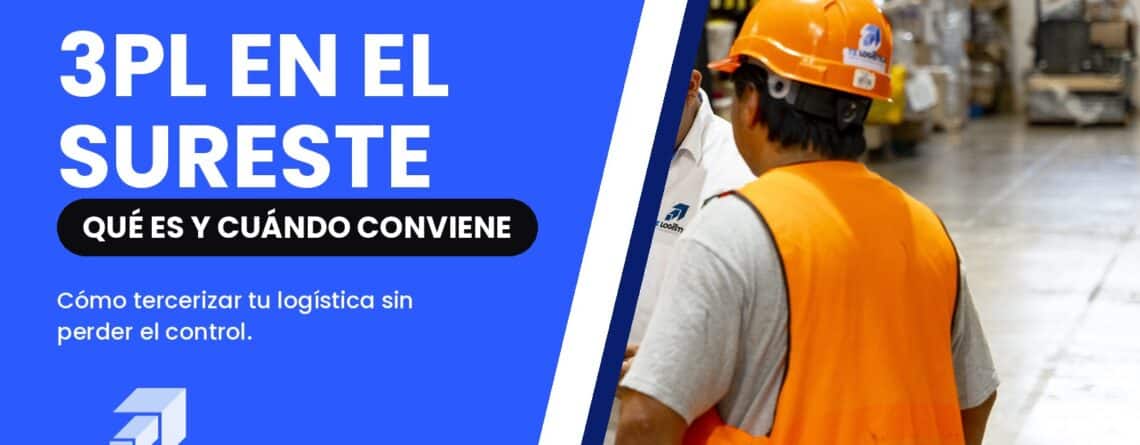
3PL in the Southeast: what it is, when it's convenient, and how to outsource your logistics without losing control
If your inventory doesn't balance, your deliveries are late, or your warehouse is overflowing, you might not need more space or more staff. Perhaps what you need is someone else to manage your logistics. That's what a 3PL does.
What is a 3PL?
3PL stands for third-party logistics, meaning a third-party logistics provider. It's a company that manages your warehouse, deliveries, and inventory control, allowing you to focus on sales, production, and customer service. It's also known as outsourced logistics or logistics outsourcing.
Depending on your needs, a 3PL can handle:
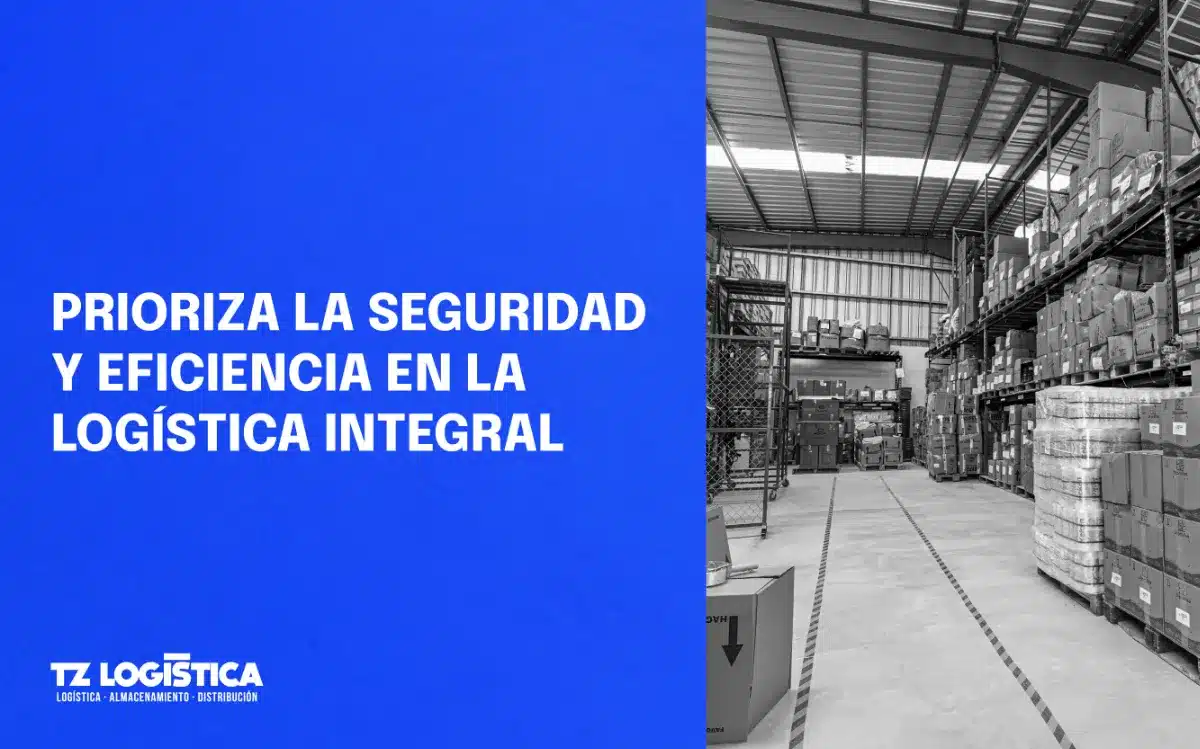
- Storage and warehouses, with receiving and inventory control.
- Order preparation and conditioning.
- Cross docking: moving cargo without stopping it in the warehouse.
- Distribution and last mile deliveries.
- Reverse logistics and returns handling.
When is it a good idea to outsource your logistics?
There are clear signs that it's time to consider it:
- The inventory doesn't add up. There are differences between what the system says and what's in the warehouse.
- Deliveries arrive late. Delays are already generating complaints or loss of customers.
- Your storage space is no longer sufficient, or you pay for a space you don't always use.
- Your team spends more time on operations than on the business.
- You are growing or opening new routes in the southeast and you don't want to invest in more rent, staff and fleet.
If your operation is very small and stable, and you manage it smoothly, you might not need one yet. A 3PL only makes sense when growth or disorganization starts costing you money or customers.
Benefits of having a logistics operator in the southeast
- More space as you grow, lower fixed costs. You use the infrastructure you need, without buying or renting more than necessary.
- Visibility. You can check your inventory and deliveries without relying on calls or spreadsheets.
- Faster deliveries. An operator with a local presence reduces response times on your routes.
- Knowledge of the terrain. Knowing Yucatán, Campeche, Quintana Roo, and Tabasco prevents errors and delays in operations.
How to outsource without losing control
Outsourcing doesn't mean washing your hands of the matter. These recommendations will help you maintain control:
- It demands visibility from the start. Ask what system they use for inventory control and what reports you will receive.
- Define times and indicators in writing. For example, delivery times and receiving rules.
- Ask who runs the service. Having your own fleet is not the same as having subcontractors.
- Visit the facilities. Seeing the warehouse and the operation in person inspires much more confidence than a brochure.
- Start with a test operation and it grows as trust is built.
What to ask your logistics operator
Before choosing, ask yourself these questions:
- Where are your warehouses located and what coverage do you have in the Southeast?
- What system do you use to control inventory and how do you share the information with me?
- Do they have their own fleet or do they subcontract the delivery?
- How long does it take to process my local deliveries?
- How is the service priced and what does it include?
- How long does it take to start the operation?
TZ Logistics: your logistics operator in the southeast
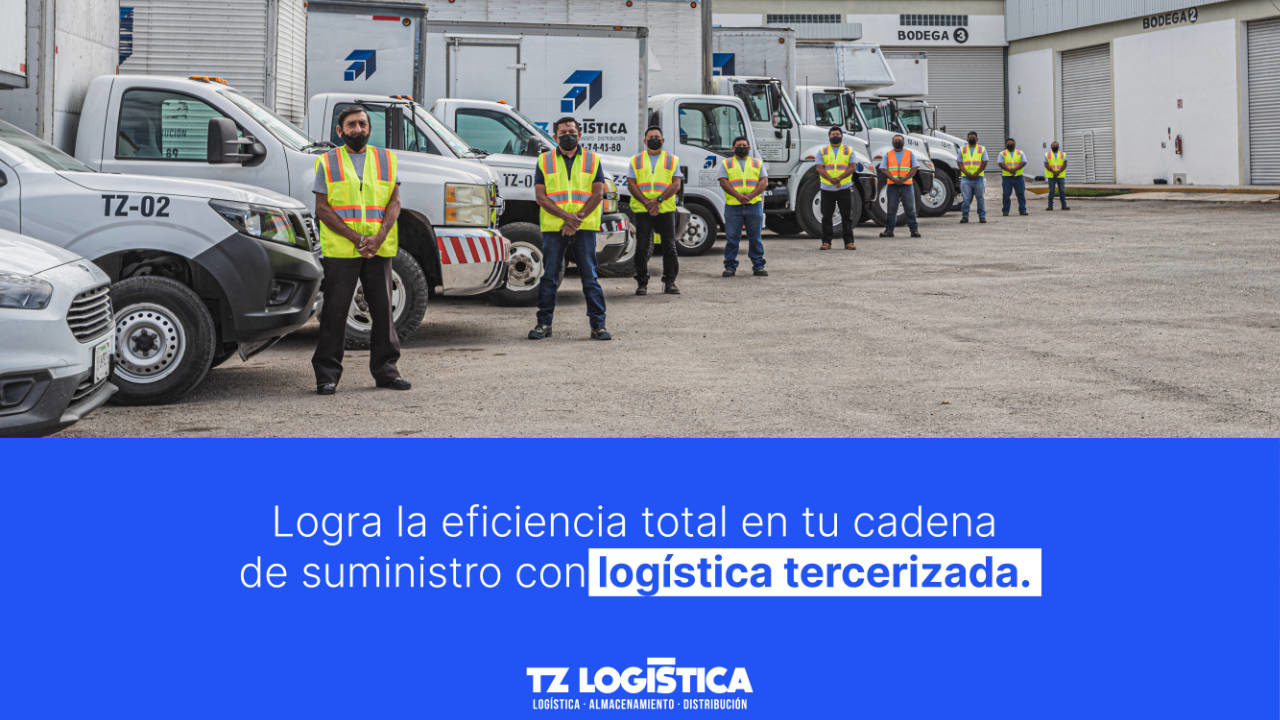
At TZ Logística, we have been operating in southeastern Mexico for over 50 years. We have our own warehouses in Mérida, Cancún, and Villahermosa, our own fleet without subcontractors, inventory control with a WMS system, and local deliveries in Mérida in less than 24 hours.
If you want to know if a 3PL makes sense for your operation, tell us how you work today and we'll help you evaluate it.
Tell us about your transaction and find out if a 3PL is right for you: tzlogistica.com




Leave a Reply